Earth, Fire, and Form: The Geology of Ceramics
Block 4 Fall 2025
Student WorkGY25014 pieces
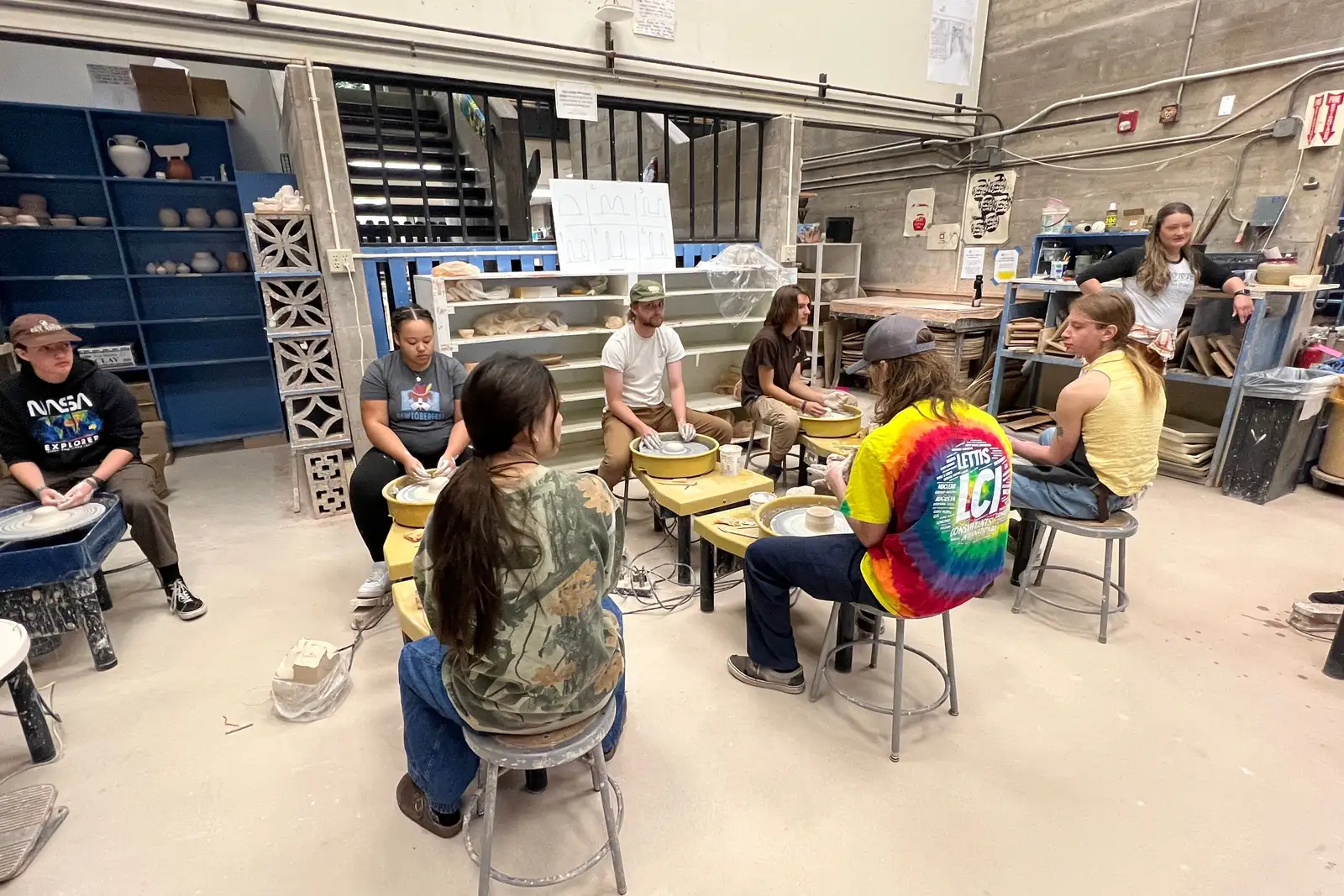
Students in GY250 spent a block learning to throw on the wheel while studying the geology that governs how clay behaves. Each piece in the exhibit models a geologic process, and the makers' statements explain the science behind their choices.
In Earth, Fire, and Form: The Geology of Ceramics, students studied the geological processes that create and transform ceramic materials while learning to work with those same materials in the pottery studio. I developed the course to bring geology into conversation with creative practice and to make processes such as weathering, metamorphism, melting, crystallization, and redox reactions tangible through materials students could shape, fire, and hold in their hands.
The pieces shown here were created for the course’s final exhibition. Each student selected a geological process or concept to explore through a ceramic work and wrote an artist statement explaining both the science and the creative decisions behind the piece. Students also created the educational text displayed with the exhibition, translating geological ideas for a public audience.
Read more
The course followed ceramic materials from their geological origins through their transformation in the kiln. Students studied how silicate minerals weather to form clays, how clay structure influences material properties, and how temperature and chemical conditions control metamorphism, vitrification, oxidation and reduction, and crystal growth. Studio work with Jeremiah Houck in the Bemis School of Art allowed students to observe many of these processes directly as they learned to wedge, throw, trim, glaze, and fire.
GY250 was developed to fulfill Colorado College’s Creative Process general education requirement. Students engaged in repeated cycles of making, experimentation, evaluation, revision, and reflection while applying scientific concepts to creative work. The course connected geology with the broader liberal arts by asking students to move between scientific explanation, material experimentation, aesthetic decisions, and communication.
The Pieces
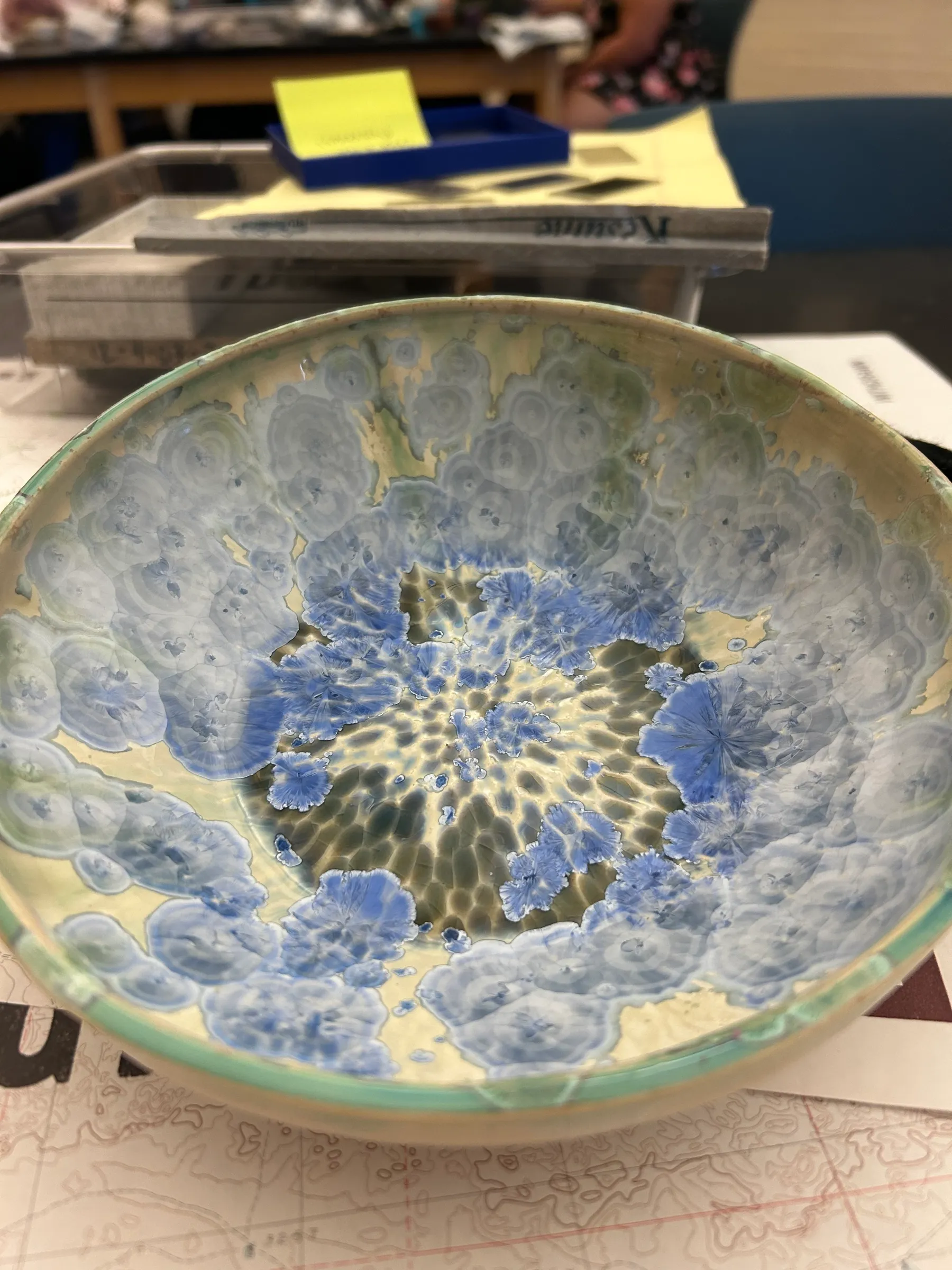 Piece 1
Balance in Bloom
Gray Simanson
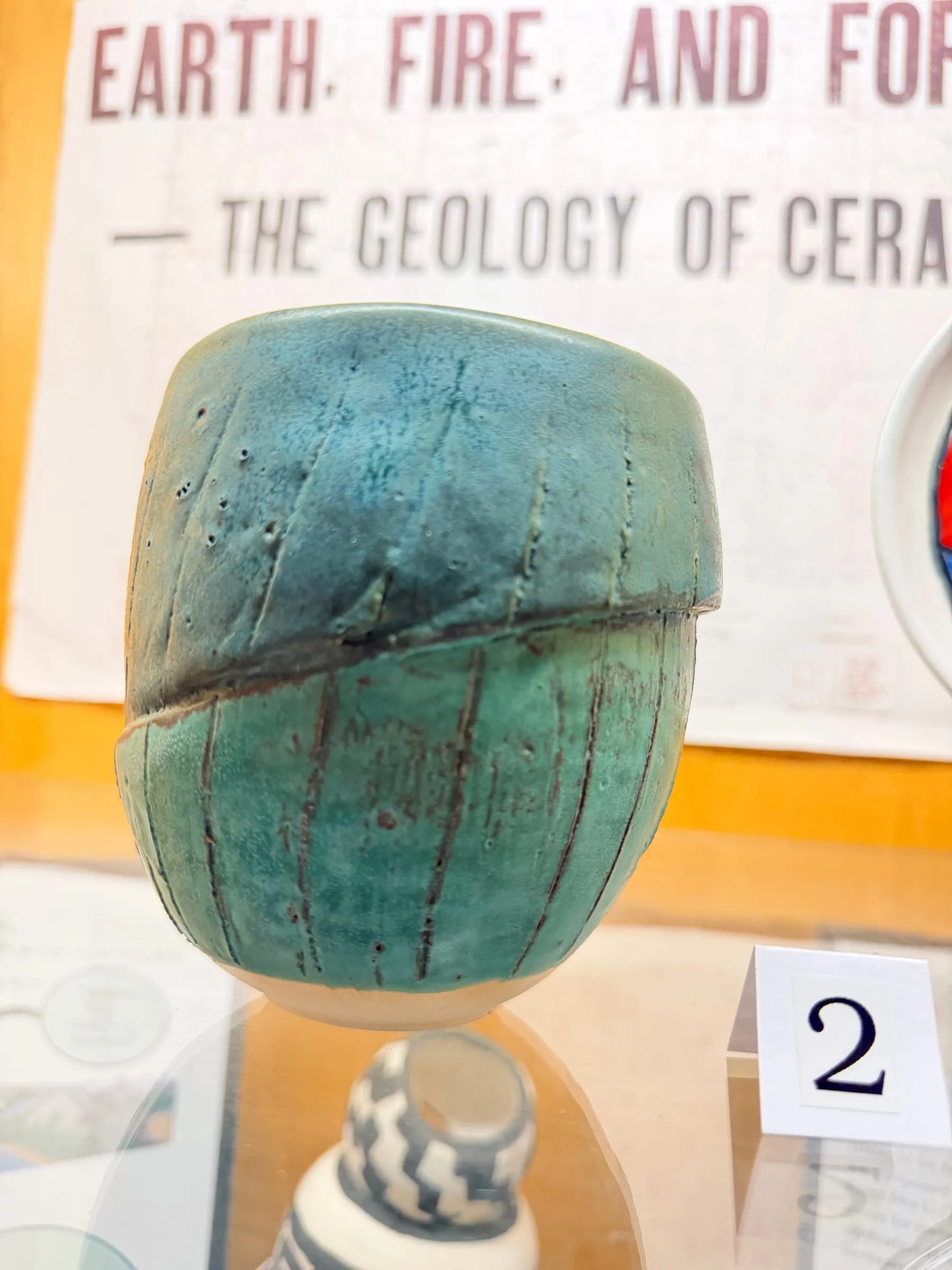 Piece 2
That's My Fault
Walker Thompson
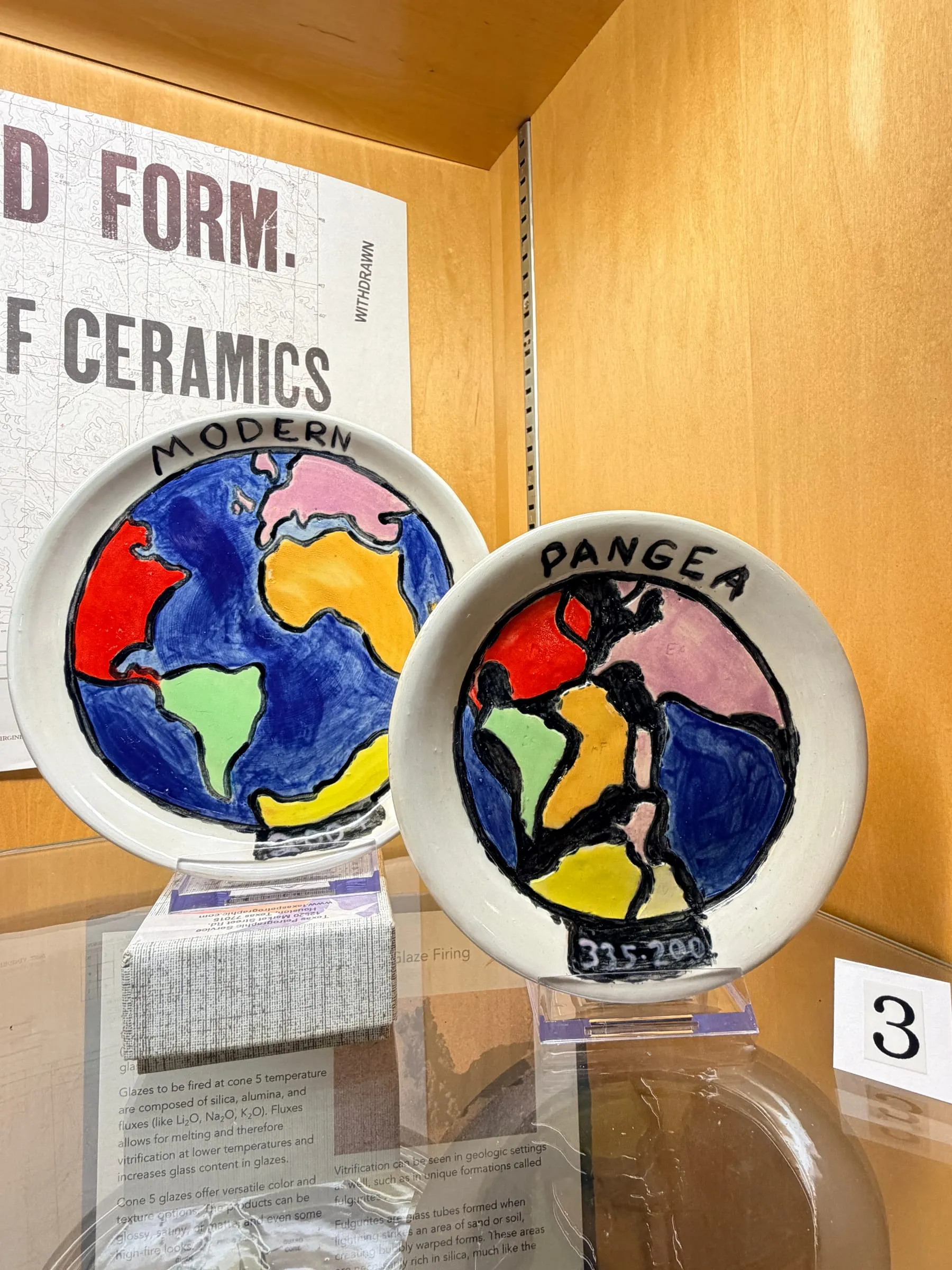 Piece 3
Tectonic Plates
Oliver van Linder
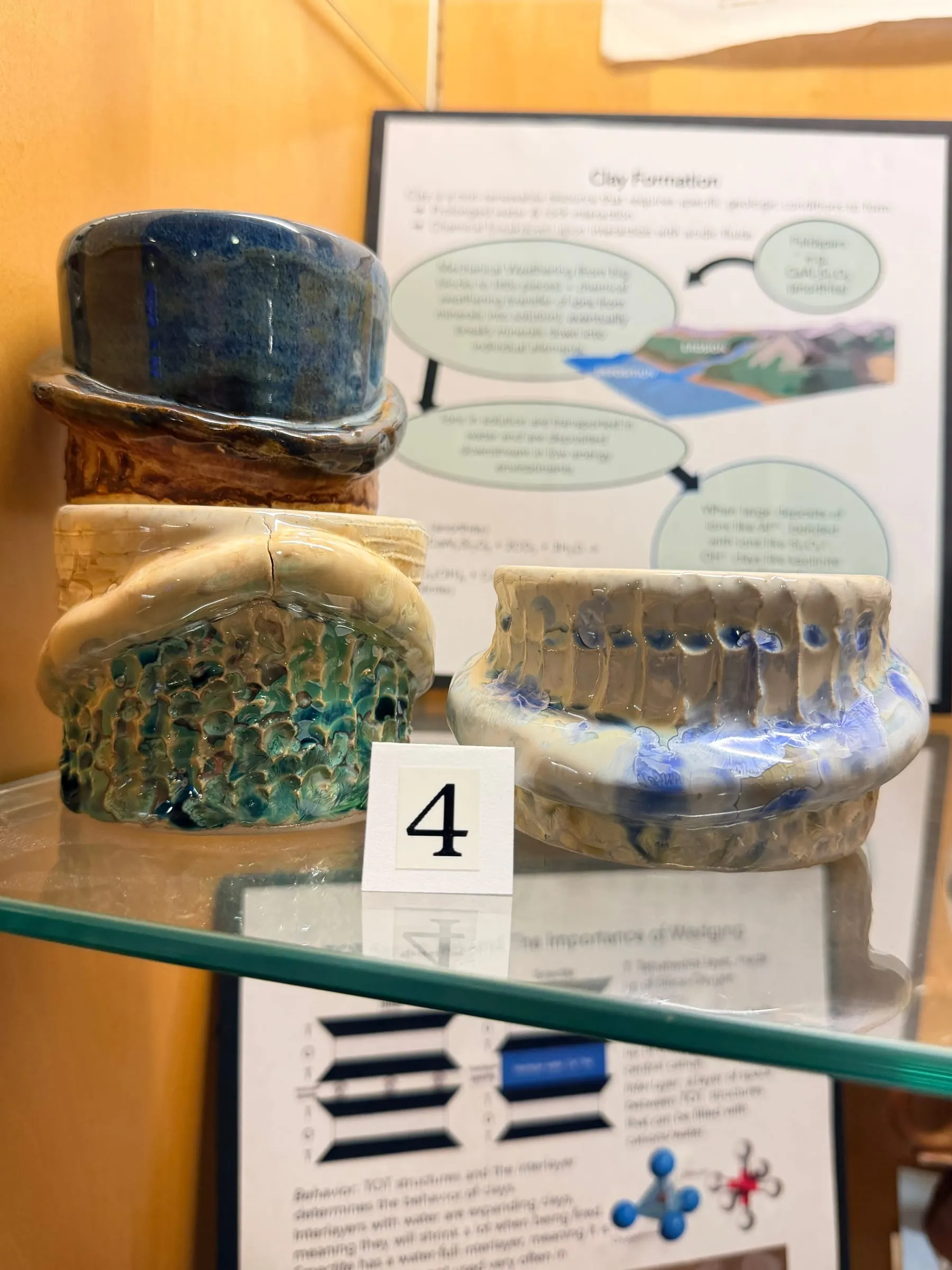 Piece 4
Kiln Metamorphism
Abby McDonald
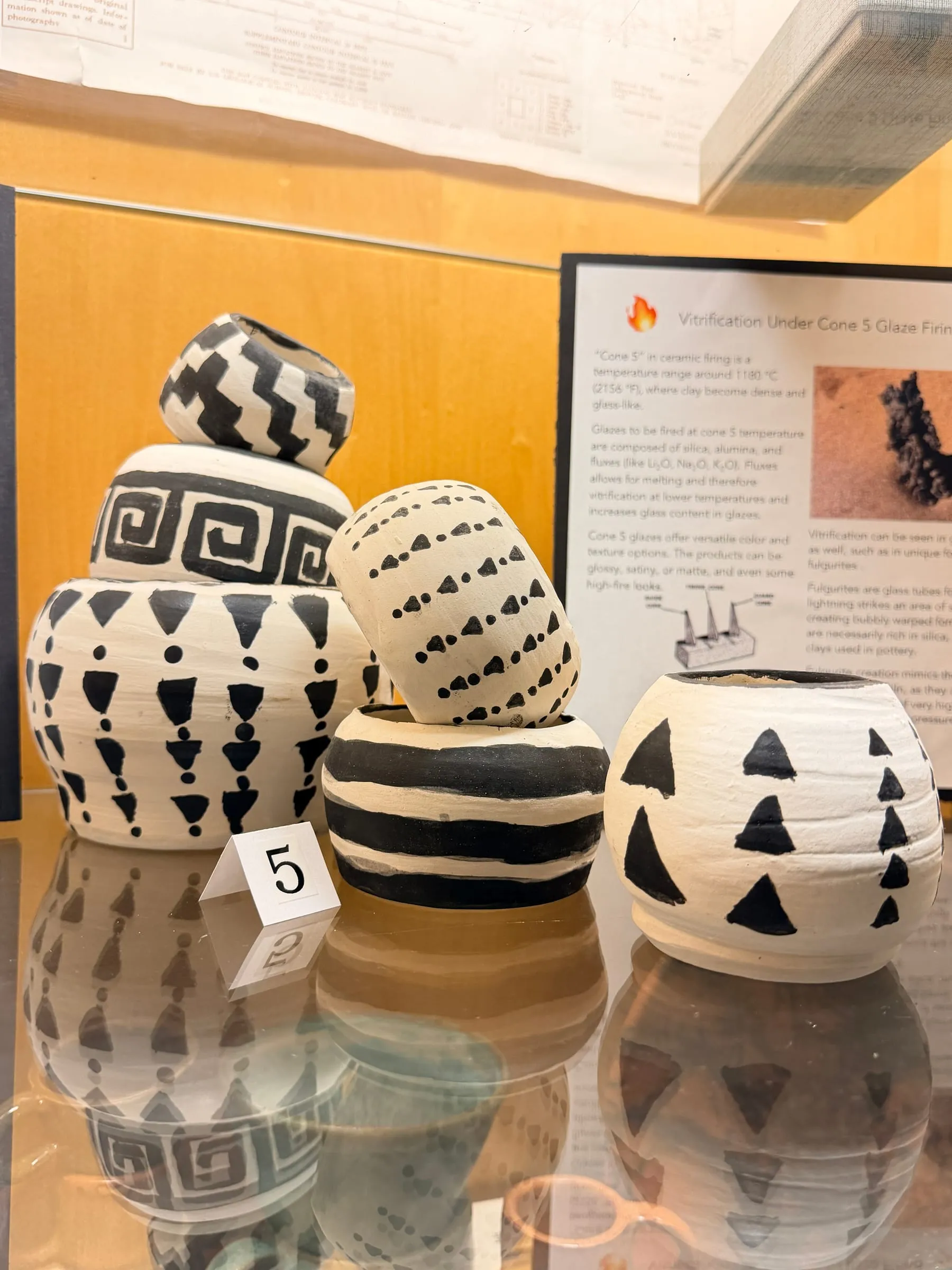 Piece 5
Making Clay
Lenny Lorenz
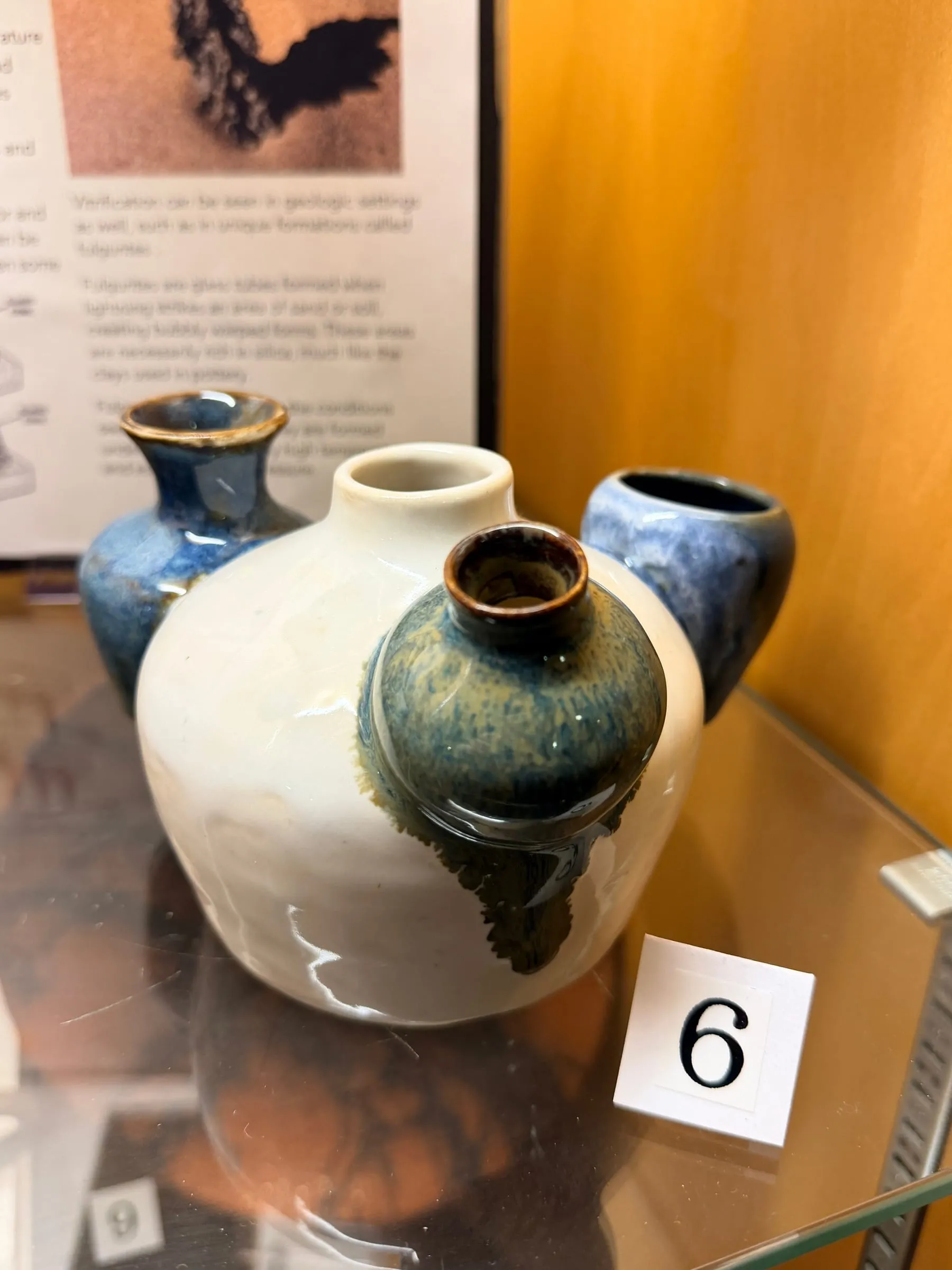 Piece 6
A Record of Reaction
Panxi Yang
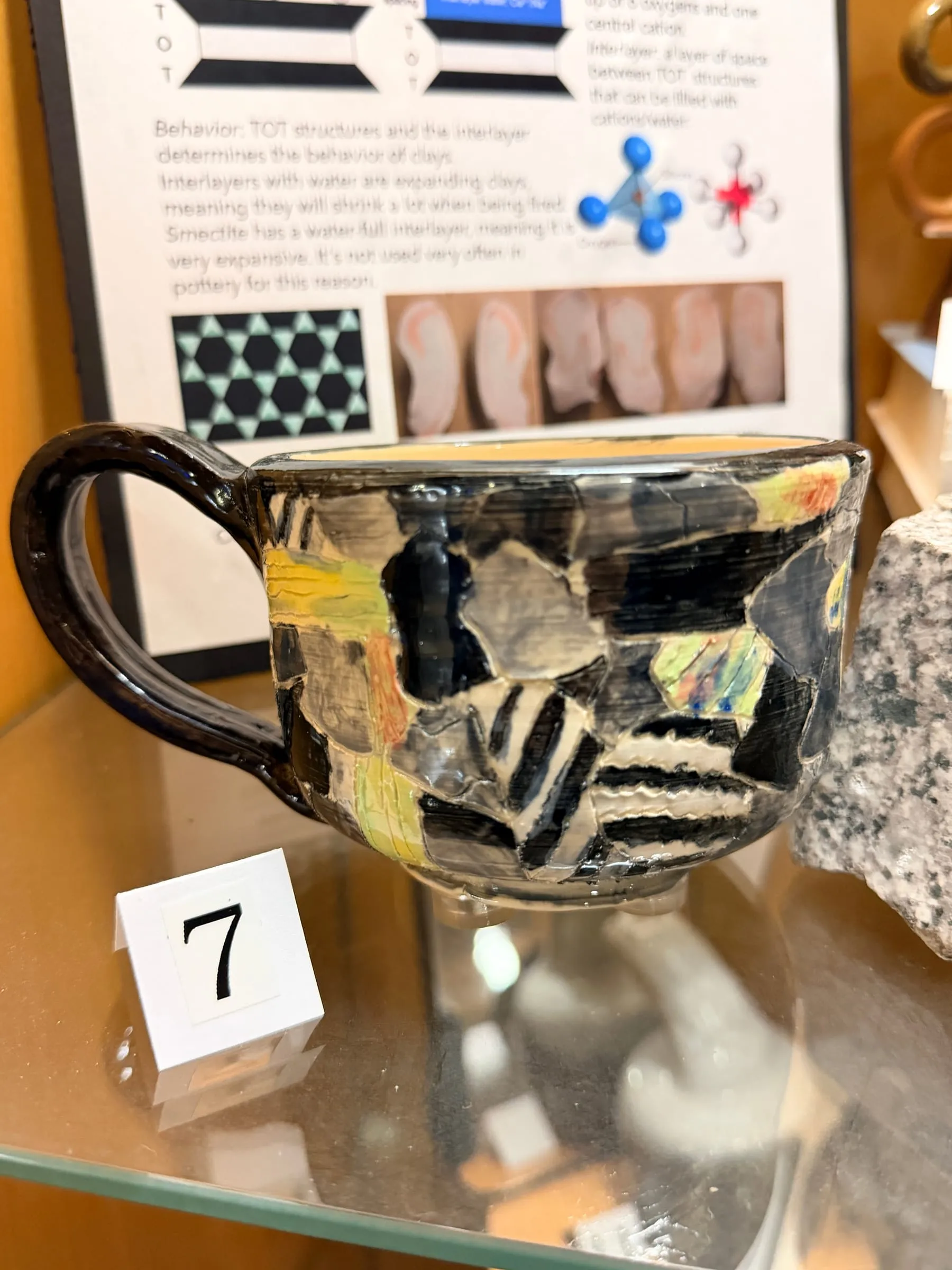 Piece 7
Take Silicate Weathering for Granite
Avery Rubins
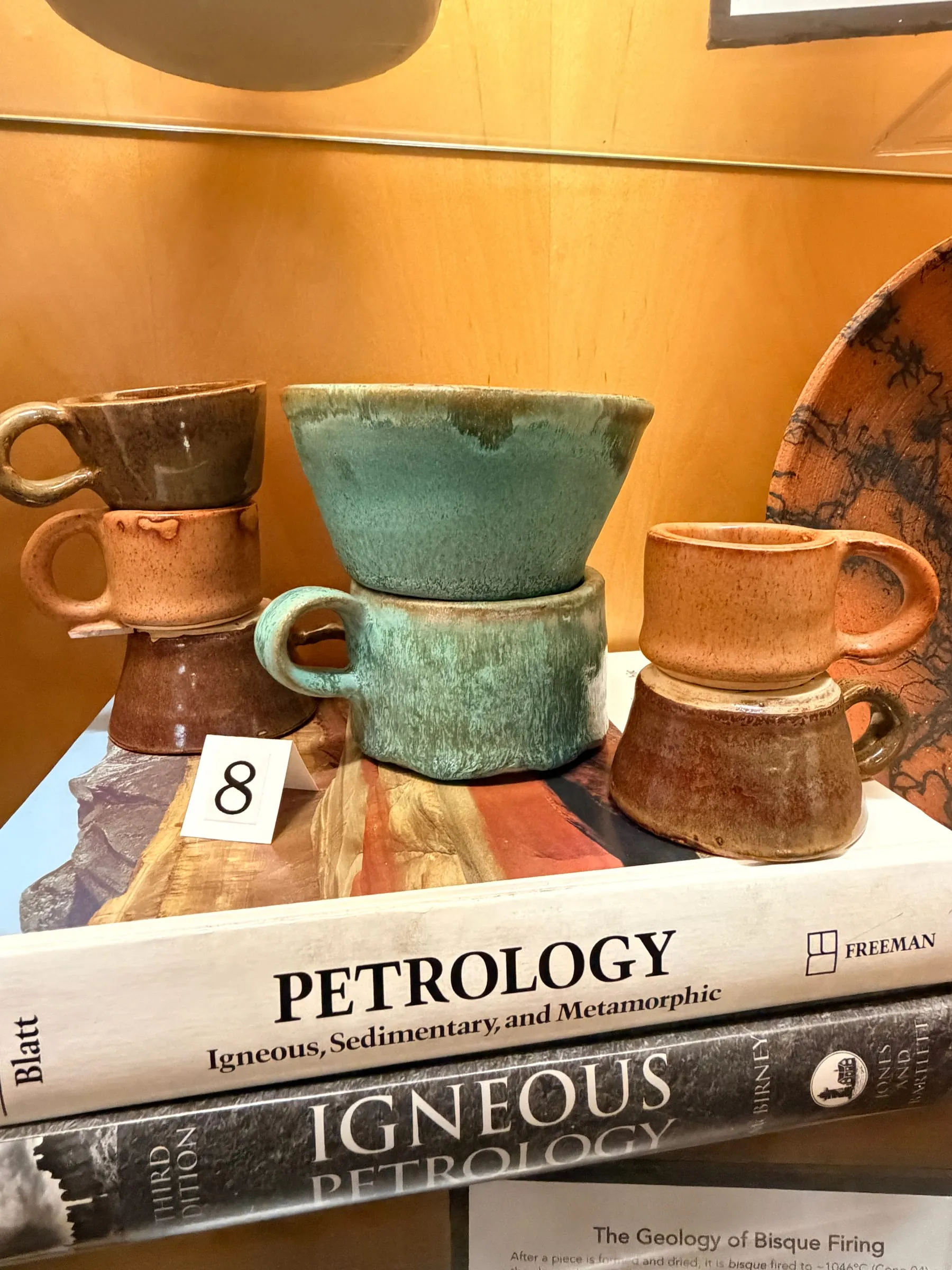 Piece 8
Clay Bodies go to Tea
Jake Hams
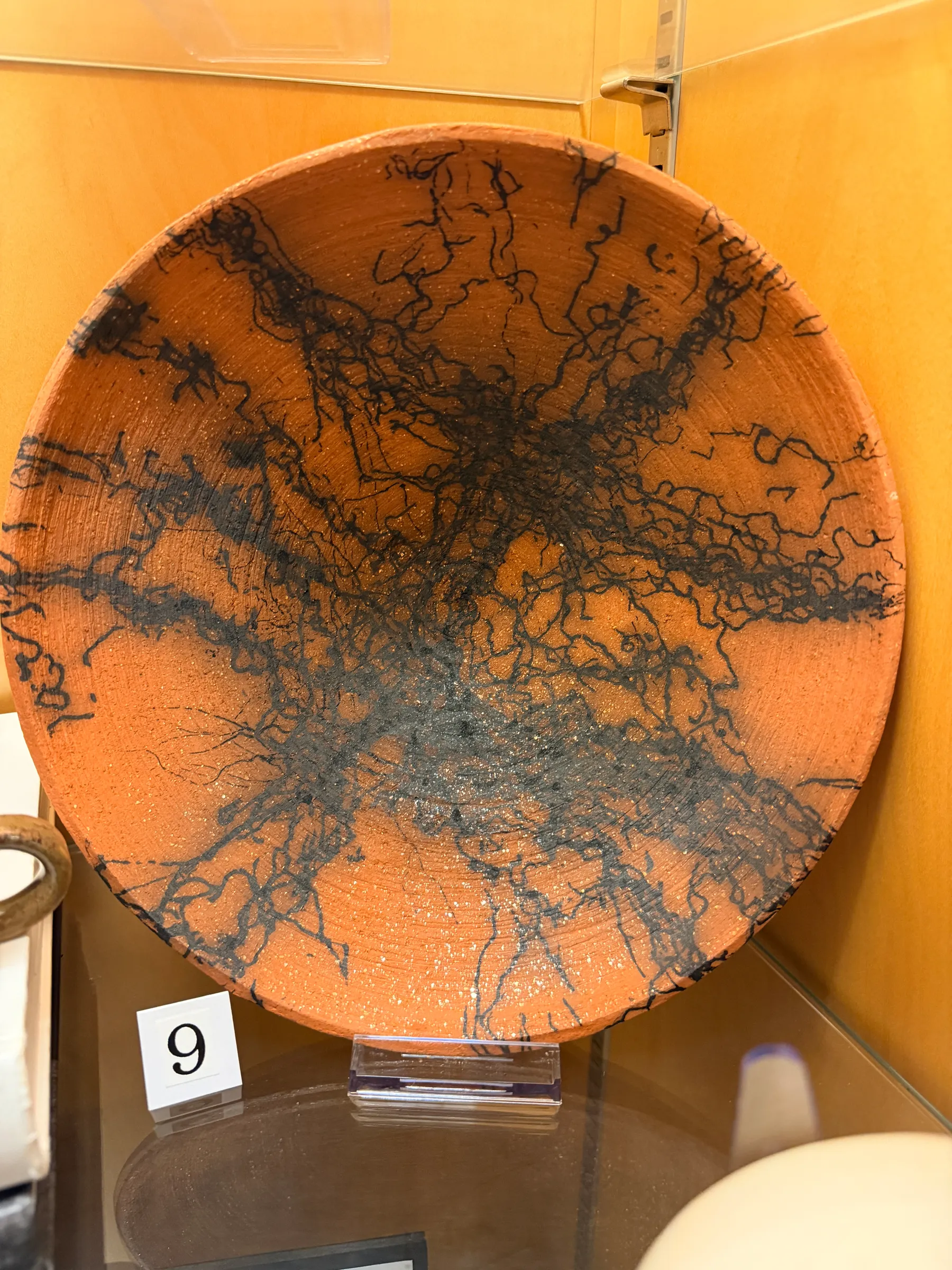 Piece 9
Horsehair Bowl: Natural Cycles and Creativity
Harold Oppenheim
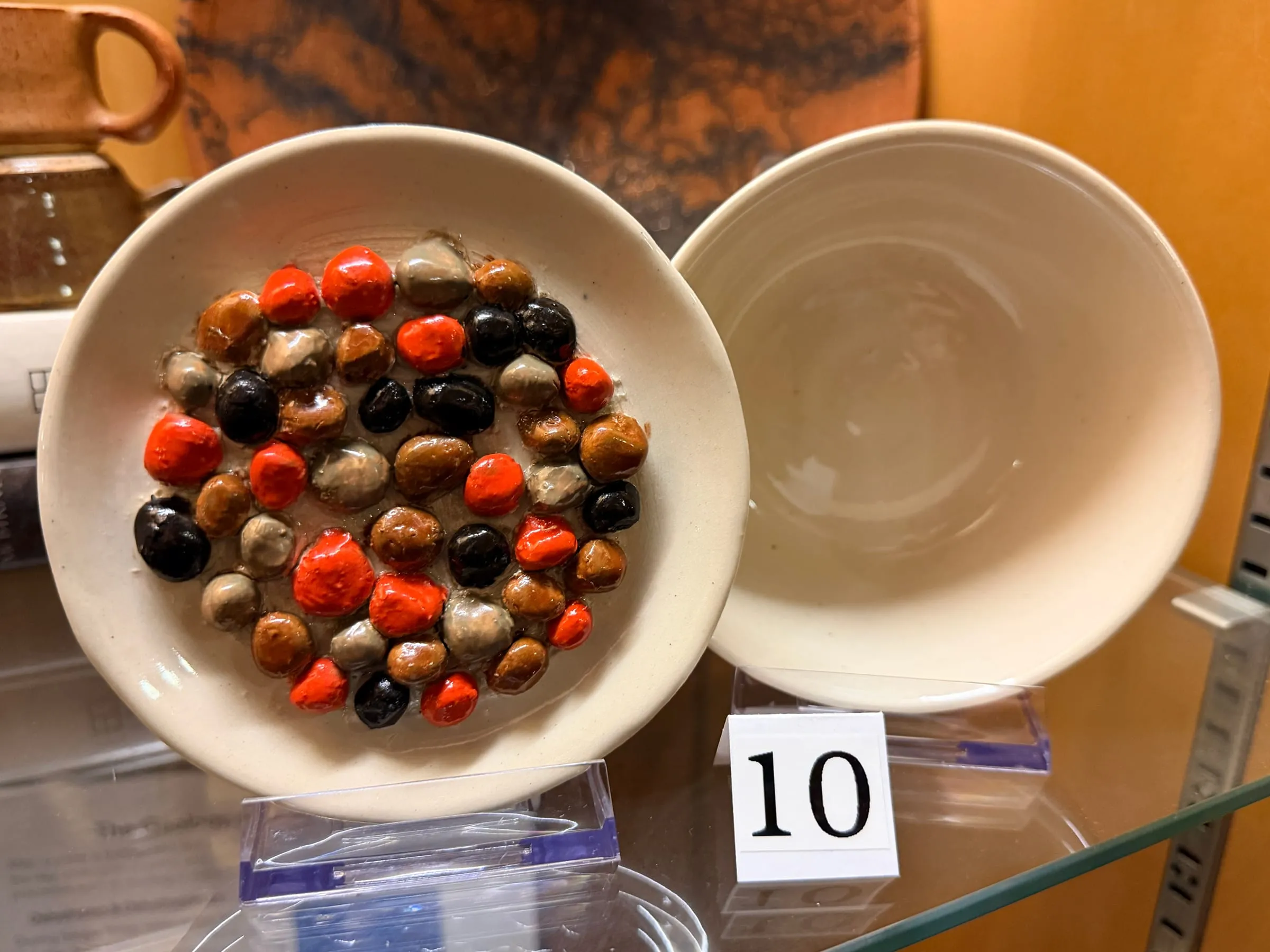 Piece 10
The Art of Surface Area
Keller Pooley
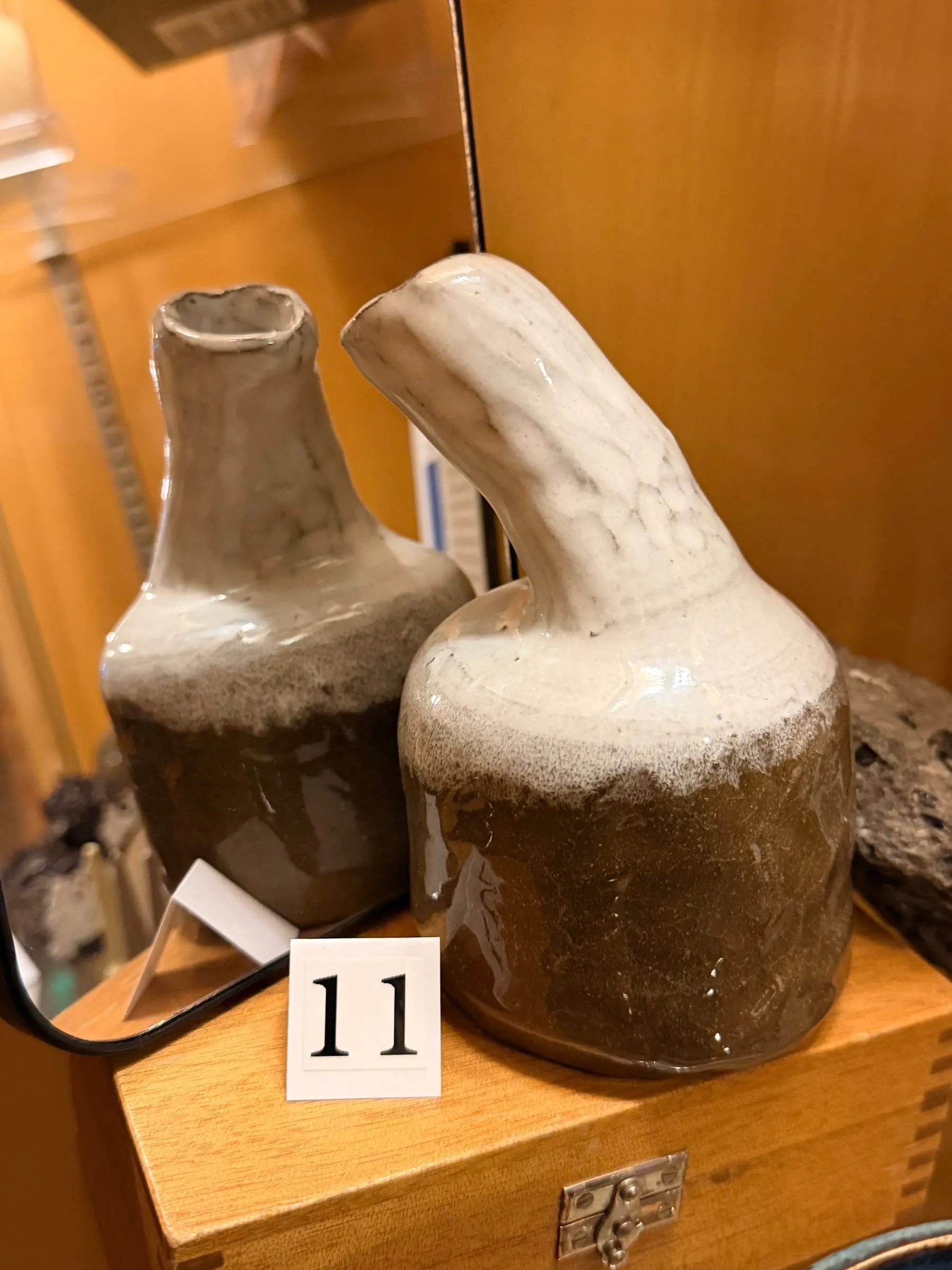 Piece 11
Kaolineck
Jordyn Tomlinson
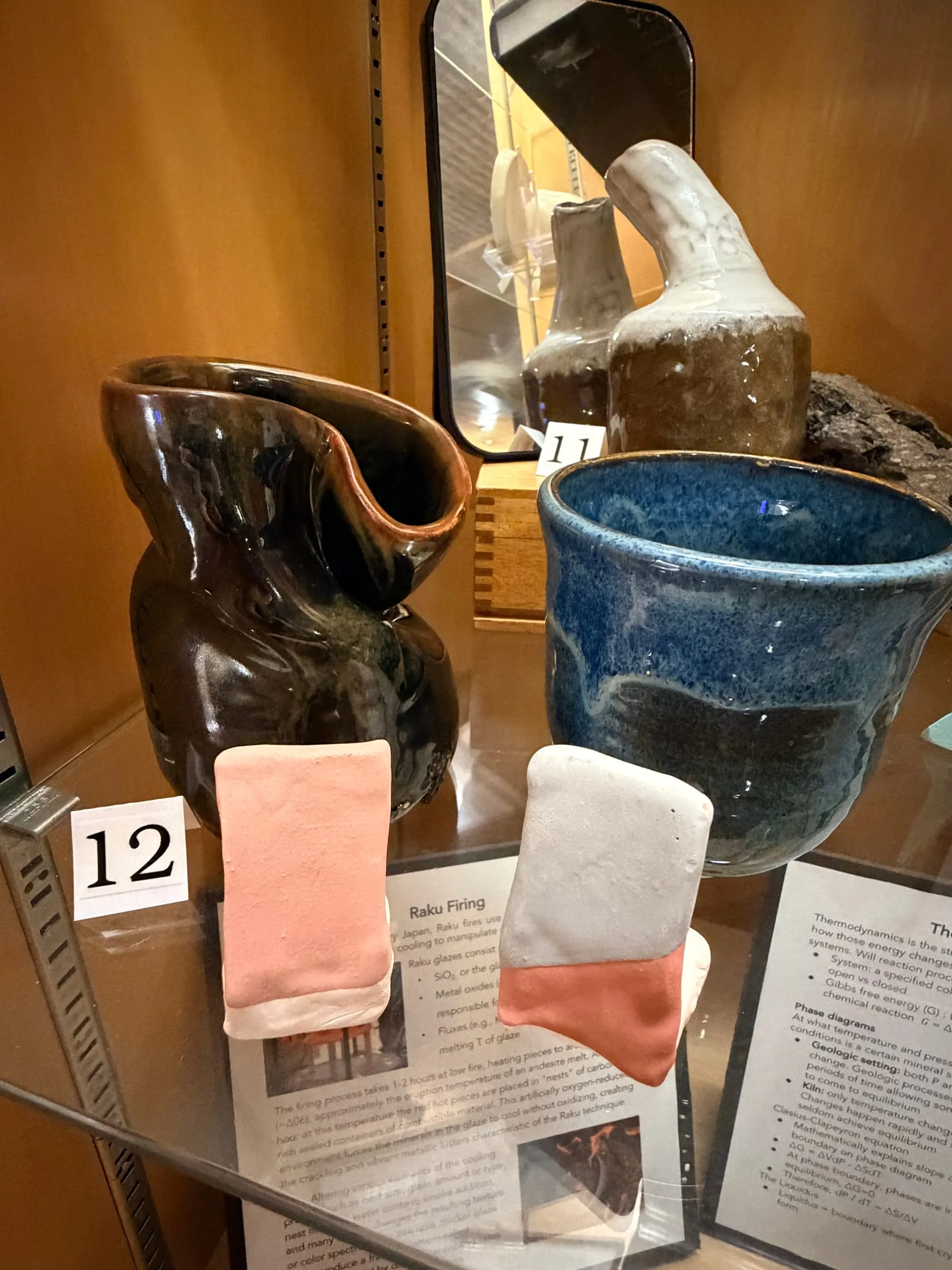 Piece 12
Metamorphism: The Process of Change
Mason Opfer
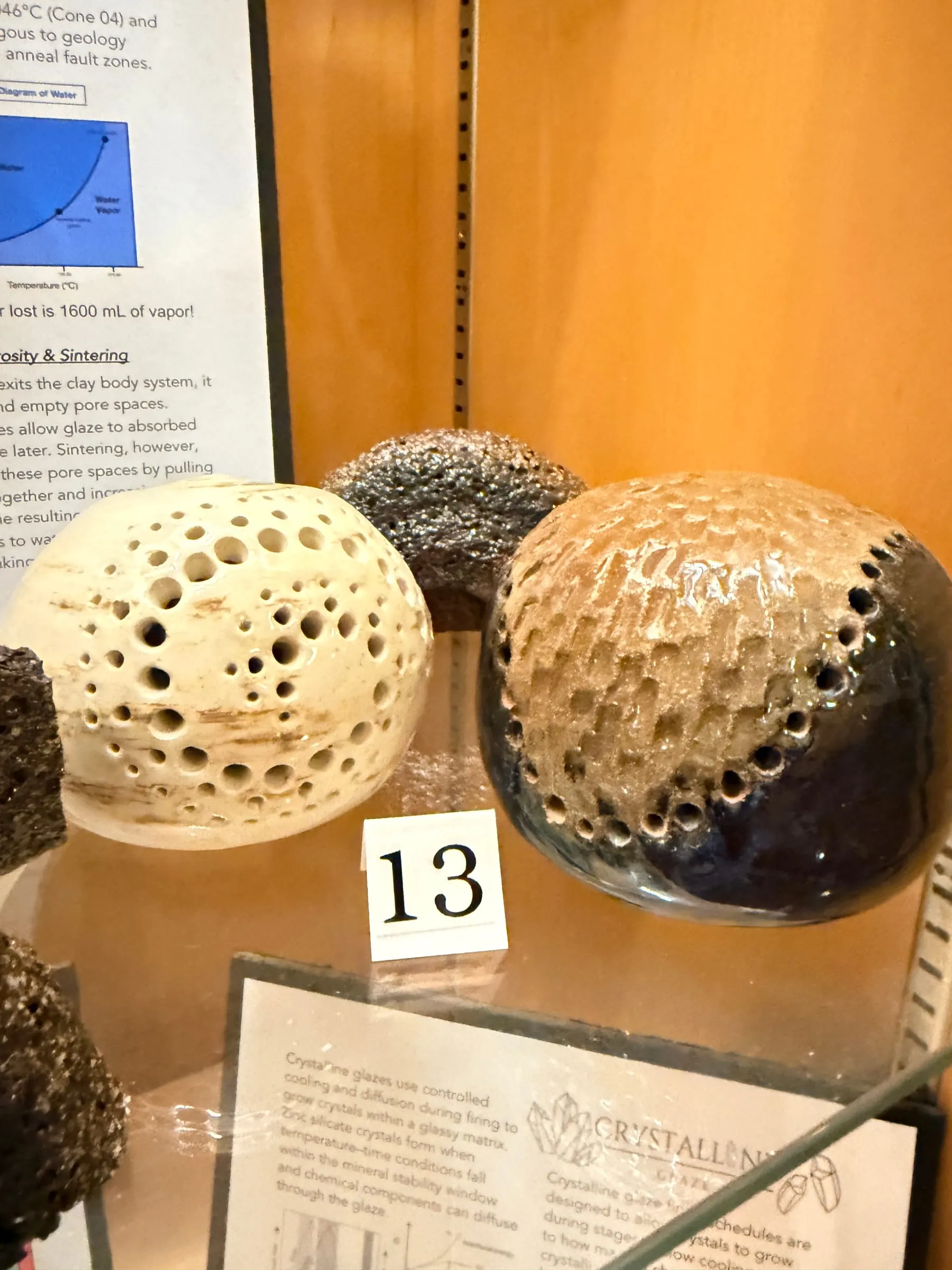 Piece 13
Addition by Subtraction
Elizabeth Spradlin
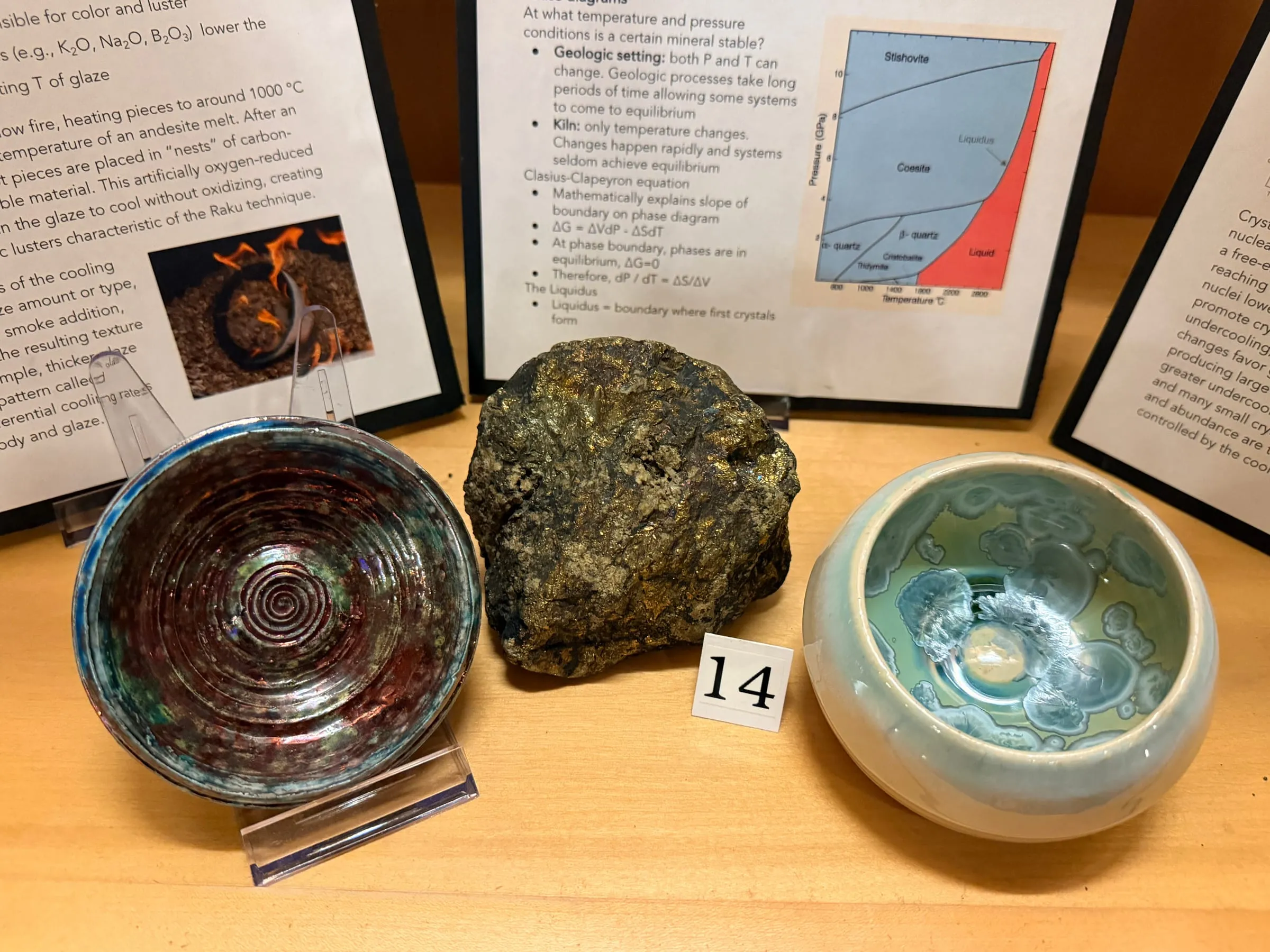 Piece 14
A Hot Glazy Odyssey
Avery Atwood-Dounay