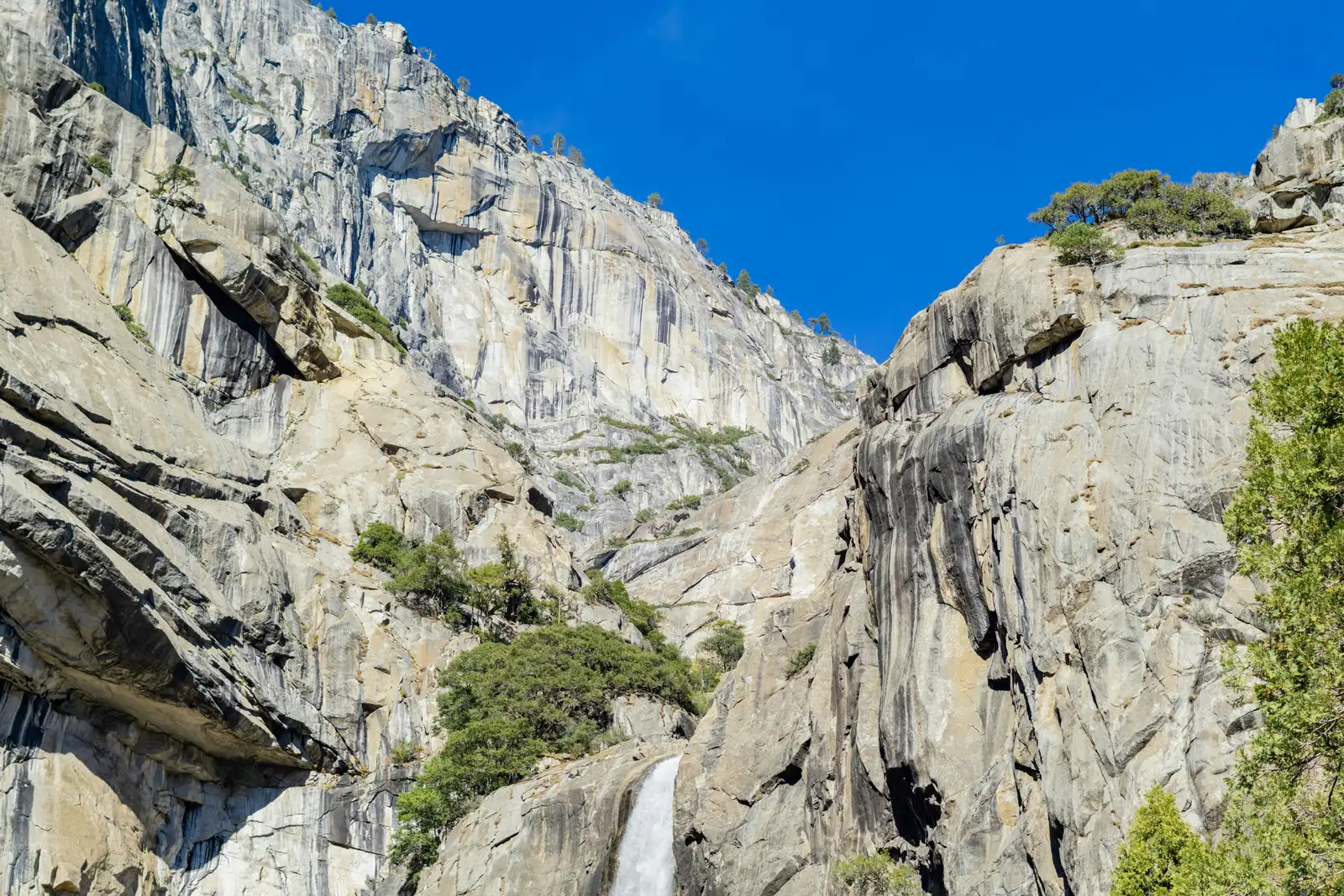
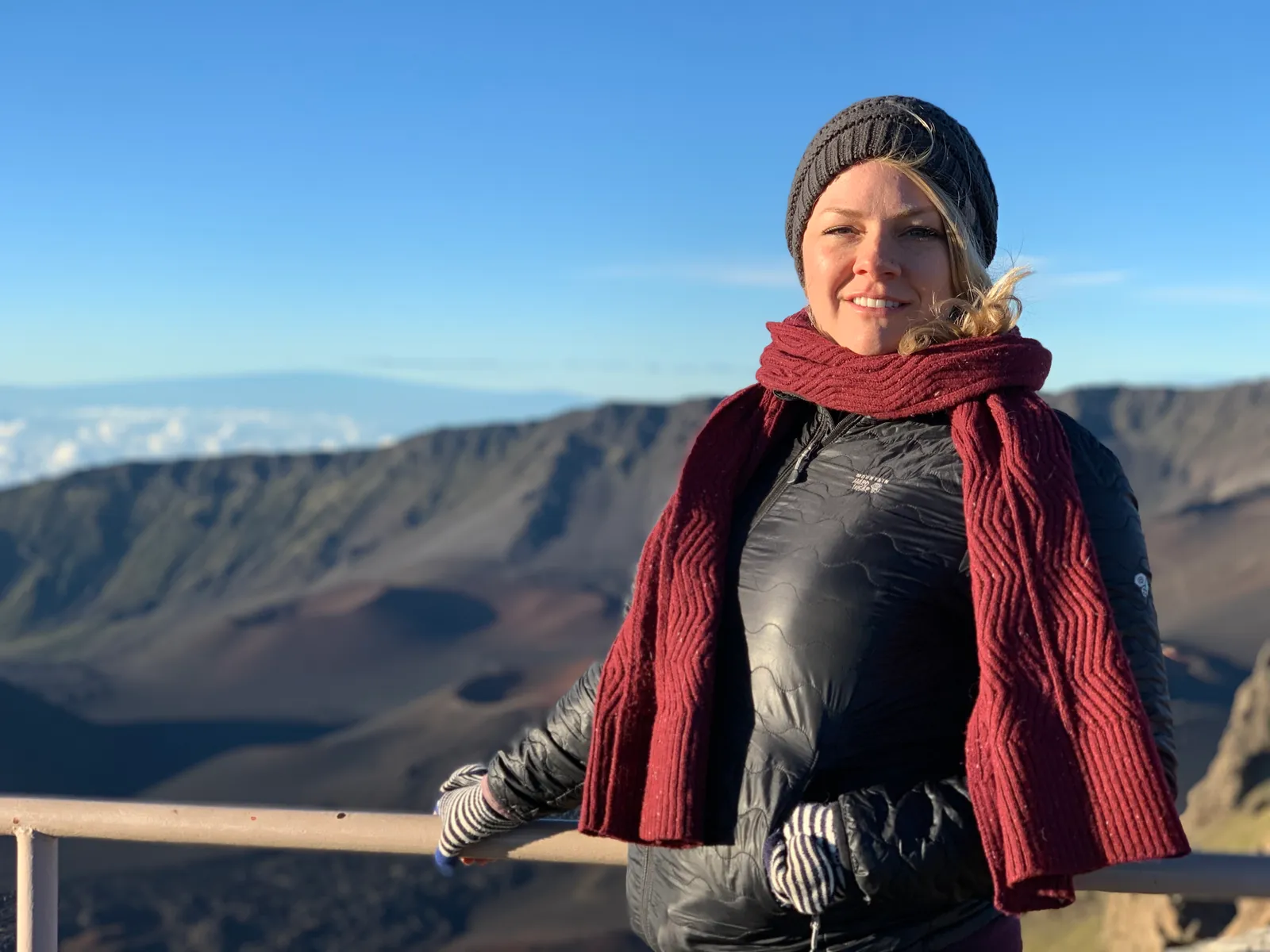
HaleakalāMaui20.74° N, 156.23° W
Dr. Michelle Gevedon
Assistant Professor of Geology
Colorado College
I study how continents are built and remade over billions of years, and I read that story in single mineral grains: zircon, garnet, tourmaline, titanite. I do most of that work alongside Colorado College undergraduates, from the outcrop to the isotope lab.
My Work
Continental crust is unique to Earth. It holds the resources we depend on, and much of it has survived for hundreds of millions to billions of years. That long survival leaves a tangled record, because each new episode of magmatism, deformation, and fluid flow overprints the ones before it. My research untangles that record by pairing fieldwork with petrography, mineral chemistry, isotope geochemistry, and geochronology.
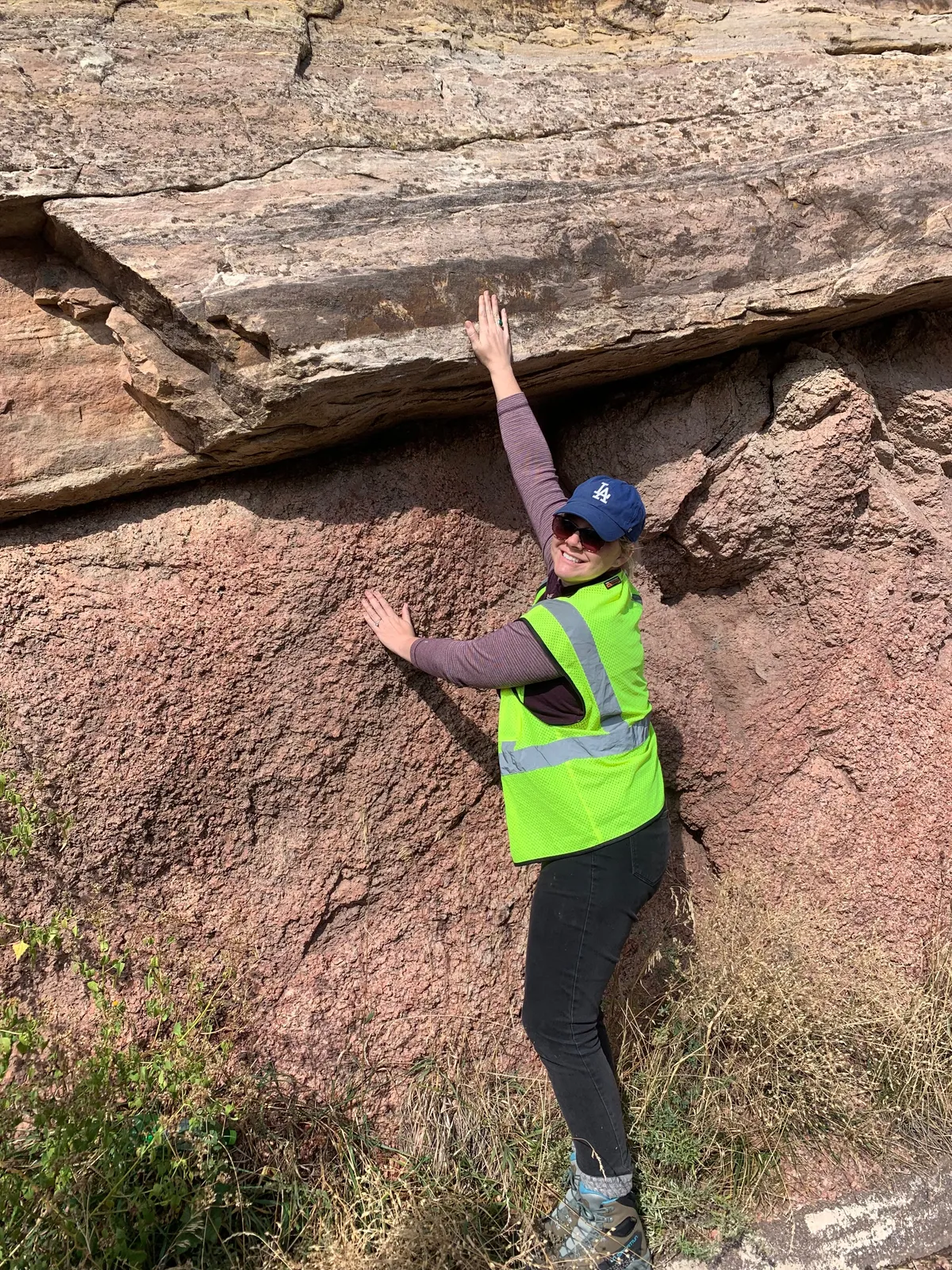
Manitou SpringsColorado38.87° N, 104.93° W
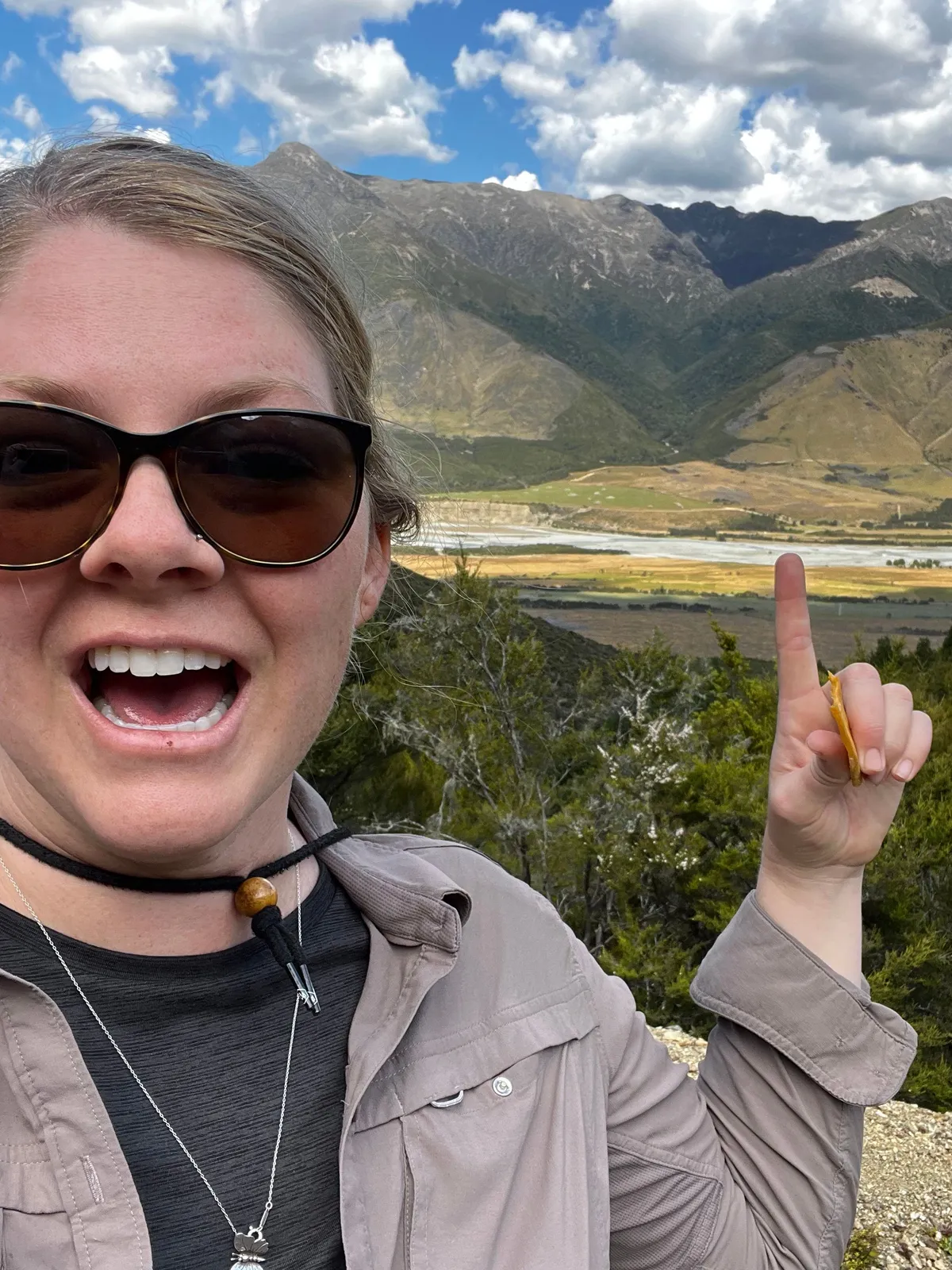
Red HillsAotearoa New Zealand41.74° S, 172.99° E
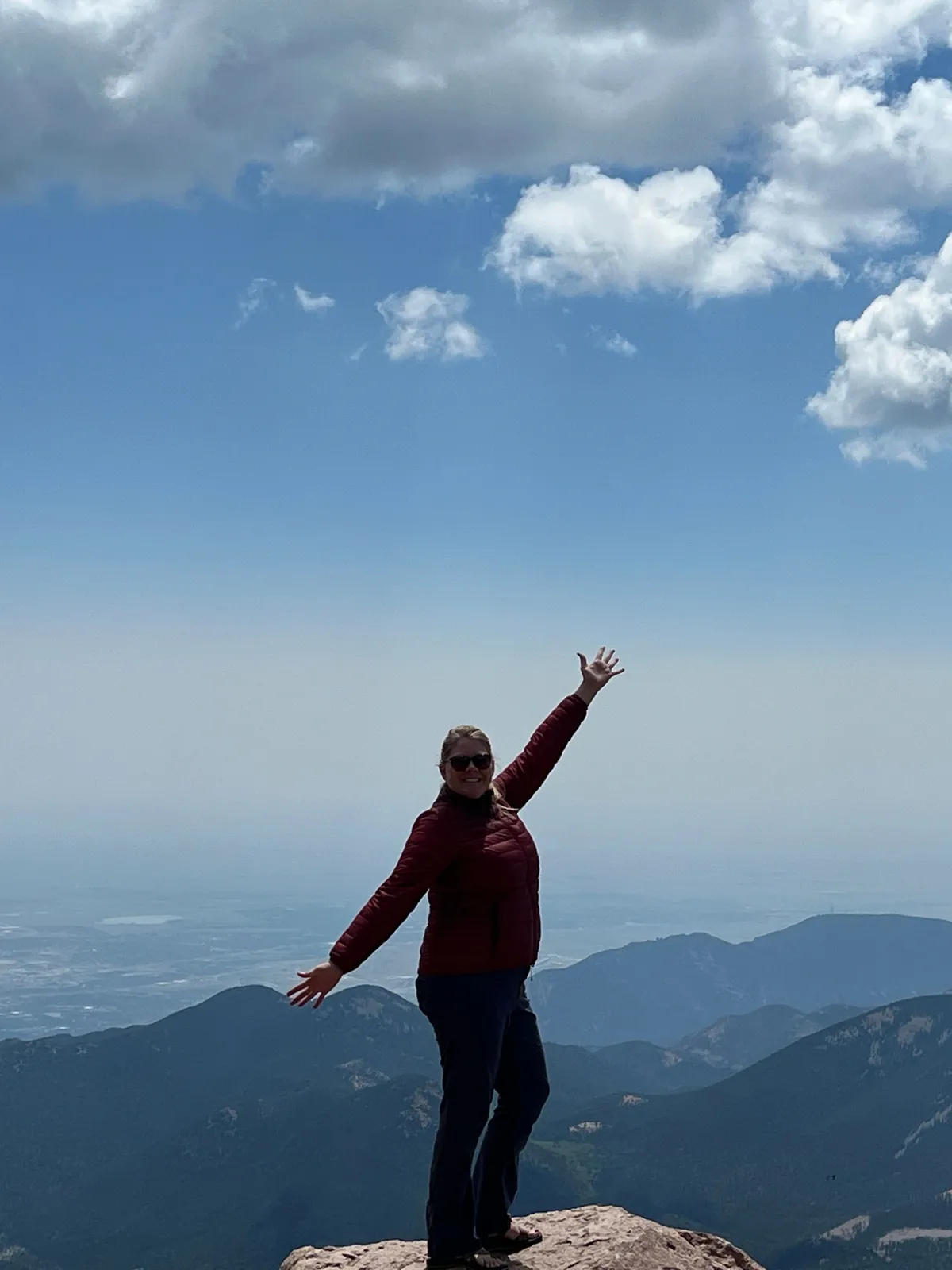
Pikes PeakColorado38.84° N, 105.04° W
My research asks how continental crust is built, modified, and reorganized through time, and how we can reconstruct that history from the rocks and minerals left behind. I combine field geology and petrology with geochronology, mineral chemistry, and stable and radiogenic isotope geochemistry to investigate magmatism, crustal melting, deformation, and fluid-rock interaction. My work spans the Mesozoic arcs of the Sierra Nevada and Mojave Desert, 1.4-billion-year-old rocks in Colorado and New Mexico, tourmaline-bearing faults in West Antarctica and Chile’s Atacama Fault System, and the Dun Mountain Ophiolite of Aotearoa New Zealand. Across these settings, I use the ages, chemistry, and isotopic compositions of minerals to reconstruct when geological events occurred and the processes that built and subsequently modified continental crust.
My teaching is grounded in the same process of learning to ask questions and build interpretations from geological evidence. Across introductory Earth science, petrology, geochemistry, and geochronology, I use field experiences, laboratory work, active learning, and open-ended problems to help students progress from learning fundamental concepts to applying them to increasingly complex geological questions. That progression continues into undergraduate research, where students develop questions of their own, collect and interpret original data, and contribute to larger collaborative investigations. My goal across both teaching and research is for students to develop the knowledge, curiosity, and independence to evaluate evidence and make well-supported geological interpretations.